The Zero Carbon Transition in Drainage and Water Management
The UK has committed to achieving net zero carbon emissions by 2050, and the water and drainage sector has a significant role to play. From energy-efficient pumping systems to sustainable construction practices, the drainage industry is evolving rapidly to reduce its carbon footprint.
At Sump Plus in Ipswich, Suffolk, we’re committed to providing drainage solutions that are not only effective but environmentally responsible. This guide explores how the zero carbon transition is shaping water management practices.
Why Drainage and Carbon Are Connected
The water industry is responsible for approximately 1% of the UK’s total greenhouse gas emissions. This comes from:
- Energy consumption: Pumping, treating, and distributing water uses significant electricity
- Chemical usage: Water treatment chemicals have embedded carbon
- Construction emissions: Manufacturing pipes, concrete chambers, and other infrastructure
- Operational vehicles: Fleet vehicles for maintenance and emergency response
- Process emissions: Methane and nitrous oxide from wastewater treatment
Energy-Efficient Sump Pump Technology
Modern sump pump technology has made significant strides in energy efficiency:
Variable Speed Drives
Traditional pumps operate at a single speed — full power. Variable speed drives (VSDs) adjust pump speed to match actual demand, reducing energy consumption by 20-50% in many applications.
ECM Motors
Electronically Commutated Motors (ECMs) are significantly more efficient than traditional induction motors, particularly at partial loads. They use permanent magnets and electronic controls to optimise performance.
Smart Controls
IoT-enabled pump controllers can monitor water levels, pump performance, and energy consumption in real time. They optimise pump operation, predict maintenance needs, and alert property owners to problems before they become emergencies.
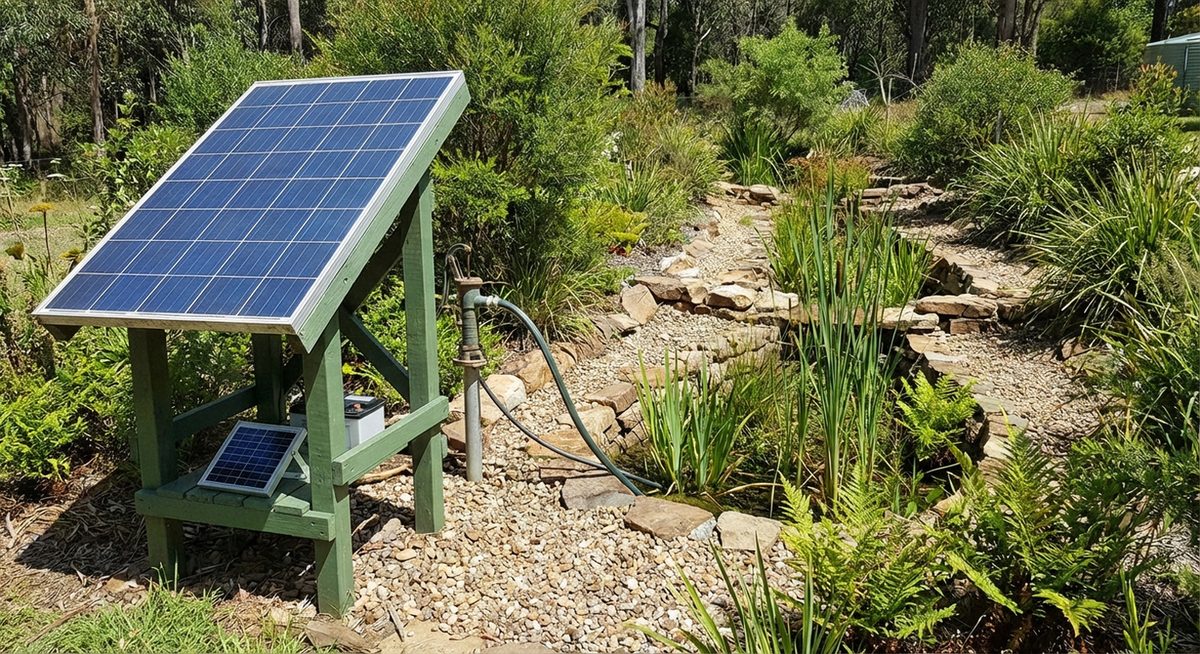
Solar-Powered Backup
Solar panel systems with battery storage can power sump pumps, reducing reliance on grid electricity. This is particularly effective for properties in rural Suffolk where power reliability can be variable.
Sustainable Materials and Construction
Recycled and Low-Carbon Materials
The drainage industry is increasingly using:
- Recycled plastic for pipe manufacturing
- Low-carbon concrete for sump chambers and manholes
- Recycled aggregate for backfilling and drainage beds
- Sustainably sourced timber for temporary works
Reduced Excavation Techniques
Trenchless technology (pipe relining, directional drilling) significantly reduces the carbon footprint of drainage installation by minimising excavation, vehicle movements, and material requirements.
Modular Systems
Pre-fabricated sump stations and modular drainage components reduce on-site construction time, waste, and energy consumption. They also improve quality control and reduce the need for wet trades (concrete mixing on site).
Nature-Based Solutions
Sustainable drainage systems (SuDS) are inherently low-carbon because they work with natural processes rather than engineered infrastructure:
- Rain gardens absorb carbon through plant growth while managing water
- Constructed wetlands provide water treatment with minimal energy input
- Green roofs reduce building energy consumption while managing stormwater
- Permeable paving reduces the need for piped drainage infrastructure
- Tree planting in floodplains provides natural flood management and carbon sequestration
The Water Industry’s Net Zero Commitments
UK water companies have committed to achieving net zero operational carbon emissions by 2030. Key initiatives include:
- Transitioning to 100% renewable electricity
- Electrifying vehicle fleets
- Reducing process emissions from wastewater treatment
- Implementing energy recovery from sewage (biogas, heat recovery)
- Reducing leakage to cut treatment and pumping energy
Anglian Water, which serves Suffolk, is particularly active in this area with its ambitious net zero strategy.
What Property Owners Can Do
Choose Energy-Efficient Equipment
When installing or replacing a sump pump, choose models with high-efficiency motors and smart controls. The slightly higher upfront cost is recovered through lower energy bills.
Integrate Renewable Energy
If you have solar panels, consider connecting your sump pump to your solar system with battery backup. This reduces both your carbon footprint and your electricity costs.
Implement SuDS on Your Property
Every rain garden, water butt, or permeable driveway reduces the load on carbon-intensive piped drainage infrastructure. These measures are practical for most properties.
Maintain Your Systems
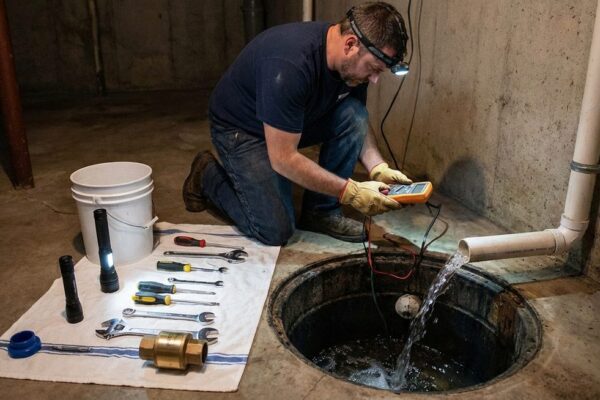
A well-maintained pump runs more efficiently than a neglected one. Regular sump pump maintenance ensures optimal performance and extends equipment life, reducing the carbon cost of premature replacement.
Reduce Water Consumption
Less water use means less water to pump, treat, and drain. Water-efficient fixtures, rainwater harvesting, and garden water recycling all contribute to the broader zero carbon goal.
The Role of Cross-Sector Collaboration
Achieving zero carbon in water management requires collaboration between water companies, local authorities, developers, and property owners. Cross-sector partnerships are essential for:
- Sharing best practices and innovation
- Co-funding infrastructure improvements
- Aligning planning and drainage policies
- Developing community-level solutions
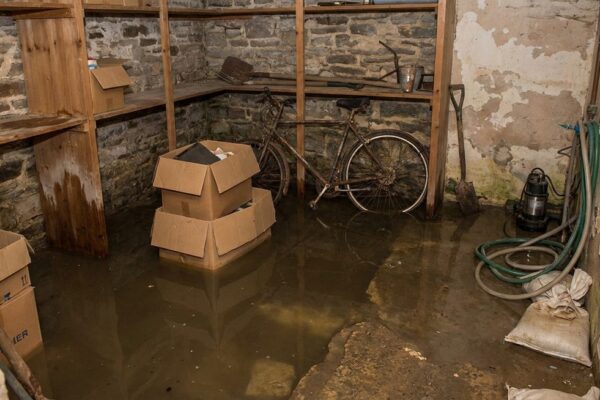
Carbon Impact of Flood Damage
It’s worth noting that flooding itself has a significant carbon footprint:
- Manufacturing replacement building materials
- Energy for drying and remediation equipment
- Vehicle movements for emergency response and repair
- Waste disposal from flood-damaged items
- Temporary accommodation energy use
Preventing flooding through effective drainage is therefore a carbon reduction measure in itself.
Frequently Asked Questions
Are sump pumps bad for the environment?
Modern sump pumps use relatively little electricity (£20-£50/year for a typical residential pump). The environmental cost of running a pump is far less than the environmental cost of flood damage repair. Choosing an energy-efficient model and renewable electricity further reduces the impact.
Can I run my sump pump on solar power?
Yes. A solar panel system with battery storage can power a residential sump pump. You’ll need sufficient battery capacity for overnight and cloudy periods. This is an increasingly popular option in Suffolk.
What is the carbon footprint of a sump pump installation?
The embedded carbon in a typical sump pump installation (materials, transport, energy) is equivalent to roughly 200-500 kg CO2. This is recovered many times over by preventing flood damage that would require carbon-intensive repairs.
Are there grants for green drainage solutions?
Some local authorities offer grants for SuDS implementation and flood resilience measures. Check with Suffolk County Council and your district council for current schemes.
How can I make my existing drainage more sustainable?
Start with simple measures: install water butts, create a rain garden, choose permeable surfaces for any new paving, and ensure your sump pump is energy-efficient and well-maintained.
What is Anglian Water doing about carbon emissions?
Anglian Water aims to achieve net zero operational carbon by 2030. They’re investing in renewable energy, electric vehicles, nature-based solutions, and innovative treatment technologies.
Does preventing flooding really reduce carbon emissions?
Yes. The Environment Agency estimates that flood damage in the UK costs £1.1 billion annually. The repair and recovery process generates significant carbon emissions from manufacturing, transport, and energy use.
What’s the most environmentally friendly drainage solution?
Nature-based solutions like rain gardens, swales, and constructed wetlands have the lowest carbon footprint. For below-ground water management, a well-designed sump pump system with an energy-efficient pump is the most practical low-carbon option.
Sustainable Drainage Solutions From Sump Plus
We’re committed to providing drainage solutions that protect your property while minimising environmental impact. From energy-efficient pump selection to SuDS integration, we help you make sustainable choices.