What Is a Sump? Understanding the Basics
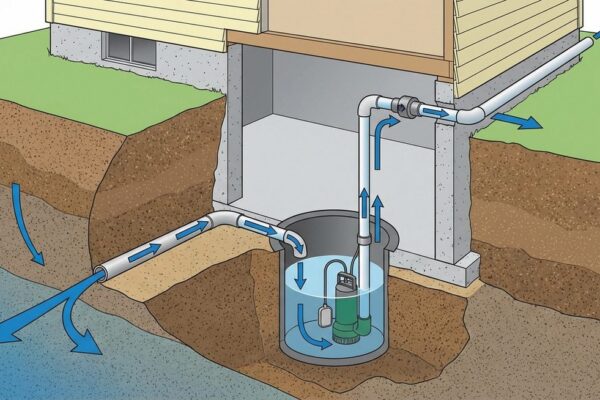
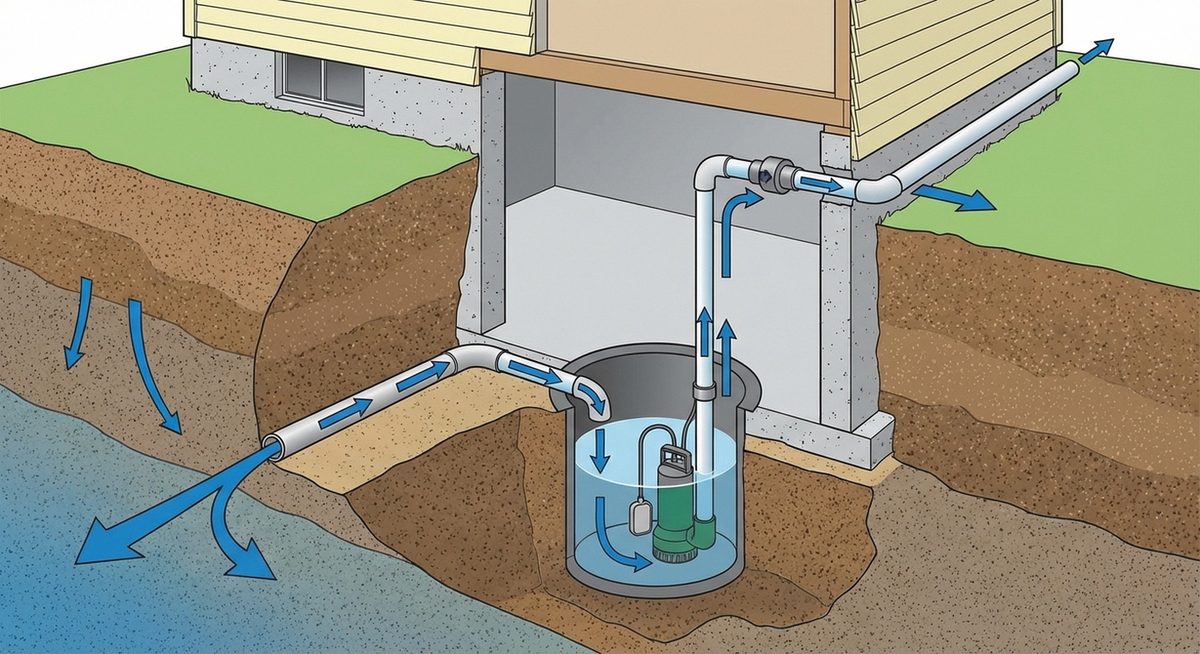
A sump is a specially constructed pit or reservoir designed to collect water that accumulates below the surface level of a building, typically in a basement or cellar. The sump acts as a collection point for groundwater, surface water, or any water that seeps into the lowest point of a property. Once water gathers in the sump, a sump pump removes it and directs it away from the building’s foundation.
For property owners in Ipswich, Suffolk and across the UK, understanding what a sump is and how it works is essential — particularly if your property is in a flood-prone area or has a high water table. At Sump Plus, we’ve been helping homeowners and businesses manage water ingress for years, and this guide covers everything you need to know.
Why Are Sumps Important?
Water damage is one of the most costly problems a property owner can face. A properly installed sump system provides the first line of defence against:
- Basement flooding — protecting your belongings and structural integrity
- Rising damp — preventing moisture from wicking up through walls and floors
- Foundation damage — reducing hydrostatic pressure against basement walls
- Mould and mildew growth — maintaining healthy indoor air quality
- Structural subsidence — ensuring stable ground conditions around your property
In Suffolk, where clay soils and a relatively high water table are common, sumps are not a luxury — they’re often a necessity. If you’ve noticed warning signs of water problems, a sump system could be the solution.
Types of Sumps
1. Perimeter Sump (Cavity Drain System)
The most common type in UK basement waterproofing. A channel runs around the perimeter of the basement floor, collecting water and directing it to a sump pit. This is part of what’s known as a Type C waterproofing system under BS 8102:2009.
2. Internal Floor Sump
A pit is excavated within the basement floor slab, typically in the lowest corner. Water drains naturally towards this point. This is often the simplest and most cost-effective option for smaller properties.
3. External Sump
Located outside the building, external sumps collect water from land drains, French drains, or surface water drainage. These are common in properties with large gardens or significant land drainage requirements.
4. Construction Sump
Temporary sumps used during building work to keep excavations dry. These are removed once permanent waterproofing is installed.
5. Sewage Sump
Designed to collect and pump foul water where gravity drainage to the main sewer isn’t possible. These require specialist pumps and are subject to Building Regulations Part H.
How Does a Sump System Work?
A complete sump system consists of several key components working together:
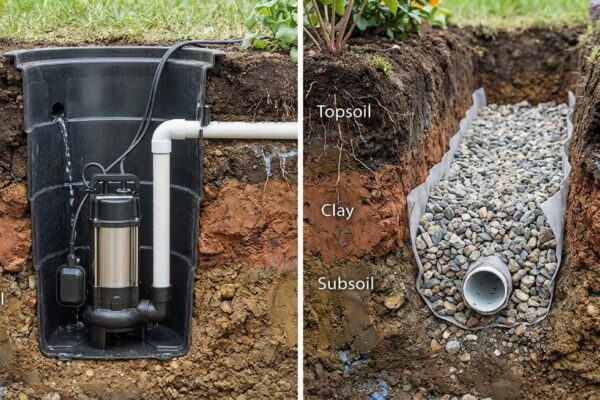
- The Sump Pit (Chamber) — A waterproof container, typically 300-600mm in diameter, sunk into the ground. Modern sump chambers are made from durable polypropylene or fibreglass.
- The Sump Pump — An electrically powered pump that activates when water reaches a certain level. Learn more about how sump pumps work.
- Float Switch or Sensor — Detects the water level and triggers the pump automatically.
- Discharge Pipe — Carries water away from the property to a suitable drainage point, soakaway, or storm drain.
- Non-Return Valve — Prevents pumped water from flowing back into the sump.
- Alarm System — Alerts you if water levels rise above normal, indicating a pump failure or excessive inflow.
For a detailed breakdown of pump mechanics, read our guide on how sump pumps work.
When Do You Need a Sump?
You should consider installing a sump if any of the following apply to your property:
- Your basement or cellar experiences water ingress or dampness
- You’re converting a cellar into habitable space (Building Regulations require waterproofing)
- Your property is in a flood risk area (check the Environment Agency flood maps)
- You have a high water table — common in parts of Suffolk and East Anglia
- Surface water pooling around your foundation
- You’re building a new property with a basement
- Your existing drainage system is inadequate
Not sure if you need one? Check our guide to signs you need a sump pump or
Sump Pump Types: Which One Do You Need?
Choosing the right pump for your sump is critical. The main types are:
| Pump Type | Best For | Pros | Cons |
|---|---|---|---|
| Submersible | Most residential basements | Quiet, efficient, out of sight | Higher initial cost |
| Pedestal | Narrow sump pits | Easier to service, longer motor life | Noisier, visible |
| Battery Backup | Flood-prone areas | Works during power cuts | Limited run time |
| Water-Powered | Emergency backup | No electricity needed | Requires mains water pressure |
| Combination | Maximum protection | Primary + backup in one | Most expensive |
For a comprehensive comparison, see our guide to types of sump pumps explained.
Sump Installation: What to Expect
Professional sump installation typically follows these steps:
- Site survey — Assessing water ingress points, soil conditions, and the best location for the sump
- Excavation — Breaking out the floor slab and digging the sump pit
- Chamber installation — Setting the sump chamber in place with appropriate filtration
- Drainage connection — Linking perimeter channels or land drains to the sump
- Pump fitting — Installing the pump, float switch, and non-return valve
- Discharge routing — Running the discharge pipe to an appropriate outfall
- Electrical connection — Providing a dedicated, RCD-protected power supply
- Testing and commissioning — Running the system to ensure proper operation
- Floor reinstatement — Making good the floor around the sump access point
Wondering about costs? Read our detailed sump pump installation cost guide.
Building Regulations and Sumps
In the UK, sump installations must comply with several regulations:
- BS 8102:2009 — Code of practice for protection of below ground structures against water from the ground
- Building Regulations Part C — Site preparation and resistance to contaminants and moisture
- Building Regulations Part H — Drainage and waste disposal (particularly for sewage sumps)
- Building Regulations Part P — Electrical safety (pump electrical connections)
A qualified installer like Sump Plus ensures all work meets these standards, giving you peace of mind and compliance with legal requirements.
Sump Maintenance: Keeping Your System Reliable
A sump system requires regular maintenance to remain effective. Key tasks include:
- Testing the pump quarterly by pouring water into the sump
- Cleaning debris from the sump pit annually
- Checking the float switch for free movement
- Inspecting the discharge pipe for blockages
- Testing the alarm system
- Replacing the pump every 7-10 years (or as recommended)
For a complete guide, see our sump pump maintenance checklist.
Sumps and Sustainable Drainage
Modern sump systems can be integrated with sustainable drainage systems (SuDS) to manage water responsibly. Rather than simply discharging to storm drains, collected water can be directed to:
- Rain gardens and bioretention areas
- Soakaways and infiltration trenches
- Water butts for garden irrigation
- Permeable paving sub-bases
This approach aligns with the UK’s increasing focus on sustainable water management and can even reduce your surface water drainage charges.
Common Sump Problems and Solutions
Pump Running Continuously
Usually caused by a stuck float switch, undersized pump, or abnormally high water table. Check the float mechanism first; if the problem persists, call a professional.
Strange Noises
Rattling or grinding noises may indicate a failing bearing, debris in the impeller, or a loose discharge pipe. Don’t ignore these sounds — they often precede pump failure.
Foul Smells
A dry or stagnant sump can produce odours. Ensure the sump cover is properly sealed and that the system is draining effectively.
Pump Not Activating
Check the power supply, circuit breaker, and float switch. Battery backup systems should be tested monthly.
Frequently Asked Questions About Sumps
What is a sump in simple terms?
A sump is a pit dug into the lowest part of a building (usually the basement) that collects unwanted water. A pump then removes this water and sends it away from the property.
How deep should a sump pit be?
Most residential sump pits are between 450mm and 600mm deep and 300mm to 450mm in diameter. The exact size depends on the expected water volume and the pump being used.
Do I need planning permission for a sump pump?
Generally, no. Sump pump installation is usually covered under permitted development rights. However, if you’re making significant changes to a listed building or are in a conservation area, check with your local council.
How long does a sump pump last?
A quality sump pump typically lasts 7-10 years with proper maintenance. Some premium models can last up to 15 years. Regular servicing extends pump life significantly.
Can I install a sump pump myself?
While the physical installation is possible for experienced DIYers, we strongly recommend professional installation. Incorrect installation can void warranties, fail to meet Building Regulations, and potentially make water problems worse.
What happens if my sump pump fails?
Without a working pump, water will accumulate in the sump pit and eventually overflow into your basement. This is why we recommend battery backup systems and high-water alarms. If your pump fails, call for emergency assistance.
How much does a sump pump cost to run?
A typical residential sump pump costs between £20 and £50 per year to run, depending on how often it activates. During wet seasons, costs may be slightly higher.
Do sump pumps add value to a property?
Yes. A properly installed sump pump system can increase property value by protecting against water damage and making basement spaces usable. It also provides peace of mind to potential buyers.
What size sump pump do I need?
Most residential properties need a pump rated between 1/3 HP and 1/2 HP. Larger properties or those with significant water ingress may need more powerful pumps. A professional assessment will determine the right size for your situation.
Can a sump pump handle sewage?
Standard sump pumps are designed for clean or grey water only. Sewage requires a specially designed macerator pump or sewage ejector pump that meets different regulations.
How often should I test my sump pump?
Test your sump pump at least every three months by pouring a bucket of water into the sump pit. The pump should activate, remove the water, and shut off automatically. Test more frequently during autumn and winter.
What’s the difference between a sump and a soakaway?
A sump collects water and pumps it away, while a soakaway is a pit filled with rubble or crates that allows water to slowly percolate into the surrounding ground. They serve different purposes and are often used together in a complete drainage system.
Get Expert Help With Your Sump System
Whether you need a new sump installation, pump replacement, or emergency repair, Sump Plus provides professional drainage solutions across Ipswich, Suffolk, and the surrounding areas. A team of qualified engineers can assess your property and recommend the most effective solution.
get in touch online for a free, no-obligation consultation. Specialists offer same-day emergency callouts for pump failures and flooding situations.