What Is Stakeholder Engagement in Drainage Projects?
Stakeholder engagement is the process of involving all affected parties in the planning, design, and delivery of drainage and water management projects. From major flood defence schemes to neighbourhood drainage improvements, engaging stakeholders ensures better outcomes, smoother delivery, and community support.
At Sump Plus in Ipswich, Suffolk, we’ve seen first-hand how good engagement transforms projects. Whether you’re a developer planning a new estate, a parish council addressing local flooding, or a homeowner navigating the drainage consent process, understanding stakeholder engagement helps you achieve your goals more effectively.
Why Stakeholder Engagement Matters
Local Knowledge Is Invaluable
Residents who have lived with flooding for years know things that surveys can’t capture — where water pools first, which drains block regularly, which solutions have been tried before. This knowledge is essential for effective design.
Support Enables Delivery
Drainage projects that are imposed without consultation often face objections, delays, and even legal challenges. Projects developed with community input are more likely to proceed smoothly and on time.
Better Solutions Emerge
Different stakeholders bring different perspectives. A water engineer sees technical requirements, a resident sees practical impacts, an ecologist sees environmental opportunities. Combining these perspectives creates superior solutions.
Trust Is Built
Open, honest engagement builds trust between communities and the organisations that serve them. This trust is essential for ongoing cooperation on maintenance, monitoring, and future improvements.
Identifying Your Stakeholders
For a typical drainage project in Suffolk, stakeholders may include:
Primary Stakeholders (Directly Affected)
- Property owners and residents in the affected area
- Local businesses that may be disrupted by or benefit from the work
- Tenants and landlords
- Adjacent property owners whose drainage may be affected
Regulatory Stakeholders
- Suffolk County Council (Lead Local Flood Authority)
- Ipswich Borough Council or East Suffolk Council (planning authority)
- Environment Agency (main river and coastal flood risk)
- Anglian Water (public sewerage and water supply)
- Internal Drainage Boards (where applicable)
Advisory Stakeholders
- Parish and town councils
- Local flood action groups
- Environmental groups (Suffolk Wildlife Trust, etc.)
- Historic England (if listed buildings or conservation areas are involved)
- Highways authorities (if road drainage is affected)
Delivery Stakeholders
- Drainage contractors and specialists
- Consulting engineers
- Utility companies (whose services may be affected by excavation)
- Material suppliers
The Engagement Process: A Step-by-Step Guide
Step 1: Stakeholder Mapping
Identify all stakeholders and assess their level of interest and influence. Use a simple grid:
| Low Interest | High Interest | |
|---|---|---|
| High Influence | Keep satisfied | Manage closely |
| Low Influence | Monitor | Keep informed |
Step 2: Define Engagement Objectives
Be clear about what you want to achieve. Common objectives include:
- Gathering information about existing drainage problems
- Presenting options and seeking feedback
- Building support for a preferred solution
- Meeting statutory consultation requirements
- Establishing ongoing communication channels
Step 3: Choose Engagement Methods
Different stakeholders respond to different approaches:
| Method | Best For | Considerations |
|---|---|---|
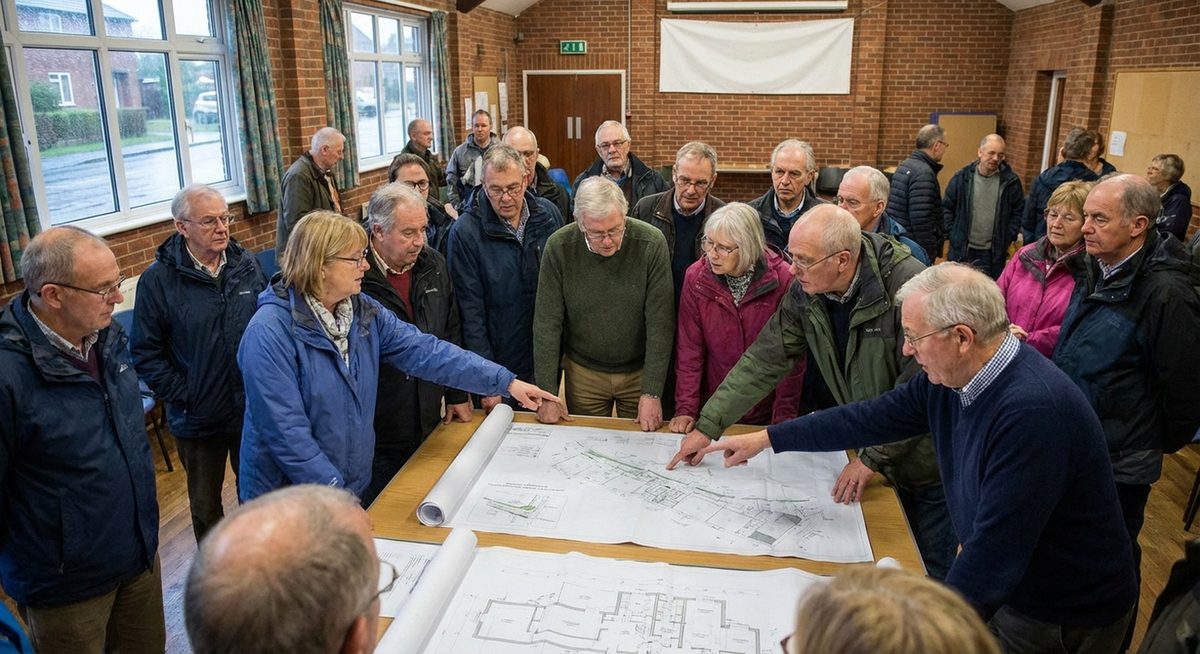
| Public meetings | Large groups, presenting information | Can be dominated by vocal minorities |
| Drop-in sessions | Individual conversations, flexible timing | Lower attendance than formal meetings |
| Online surveys | Broad reach, quantitative data | May miss older or less tech-savvy residents |
| Door-to-door visits | Directly affected residents | Time-intensive but highly effective |
| Newsletters/leaflets | General awareness | One-way communication only |
| Working groups | Detailed input from key stakeholders | Requires sustained commitment |
| Site visits | Understanding practical constraints | Weather-dependent for outdoor sites |
Step 4: Engage Early and Often
The most common mistake in stakeholder engagement is starting too late. Engage when options are still open and stakeholder input can genuinely influence the outcome. Continue engagement through design, construction, and handover.
Step 5: Listen and Respond
Engagement is two-way. Document what you hear, explain how input has influenced decisions, and be honest when constraints mean you can’t accommodate a particular request.
Step 6: Maintain Records
Keep clear records of all engagement activities, who attended, what was discussed, and what decisions were made. This is essential for planning applications and future reference.
Engagement in Different Contexts
New Development Drainage
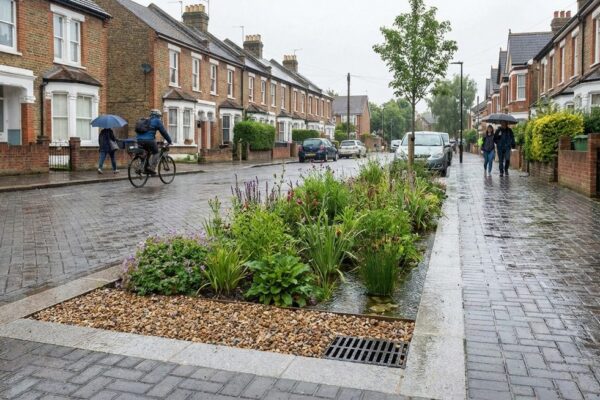
Developers must demonstrate stakeholder engagement as part of planning applications. This typically includes pre-application consultation with the LLFA, water company, and local community. SuDS designs benefit particularly from community input on maintenance and amenity use.
Flood Alleviation Schemes
Large-scale flood defence projects (like the Ipswich Barrier) require extensive public engagement over several years. This includes formal consultations, environmental impact assessments, and ongoing community liaison during construction.
Neighbourhood Drainage Improvements
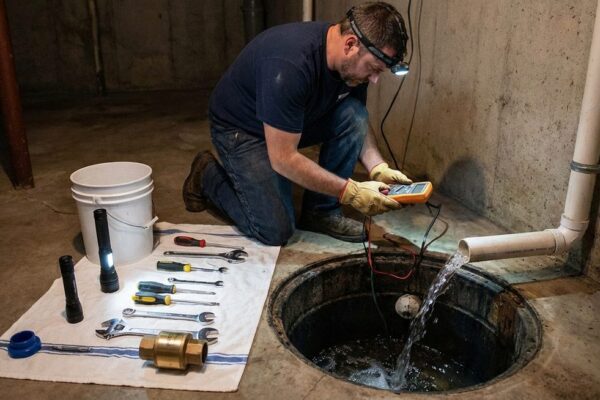
Even small-scale improvements — replacing a ditch, installing a French drain, or upgrading a sump pump system — can benefit from talking to neighbours. Drainage doesn’t stop at property boundaries.
Property-Level Flood Resilience
Individual homeowners installing flood prevention measures should inform their neighbours, check for shared drainage responsibilities, and ensure their discharge doesn’t cause problems for adjacent properties.
Common Pitfalls in Stakeholder Engagement
- Starting too late: Presenting a finalised plan for “consultation” isn’t genuine engagement
- Ignoring difficult stakeholders: Opponents who are ignored become more vocal. Engage them directly.
- Over-promising: Only commit to what you can deliver. Broken promises destroy trust permanently.
- Technical jargon: Communicate in plain language. Not everyone understands hydraulic gradients and attenuation rates.
- Forgetting follow-up: Engagement doesn’t end when the project starts. Keep stakeholders informed throughout.
- One-size-fits-all: Different stakeholders need different information in different formats. Tailor your approach.
The Value of Professional Support
For complex drainage projects, professional engagement support can be invaluable. This might include:
- Facilitated workshops with technical translation for non-specialist audiences
- Community flood risk assessments that empower local groups
- Visualisations and models that make technical concepts accessible
- Independent facilitation where relationships between parties are difficult
Frequently Asked Questions
Do I need to consult my neighbours before installing a sump pump?
There’s no legal requirement for most domestic sump pump installations. However, it’s good practice to inform neighbours, particularly about the discharge point. If your discharge could affect their property, you must take steps to prevent this.
What statutory consultations are required for drainage projects?
Major developments require consultation with the LLFA, Environment Agency, and water company. Ordinary watercourse consent requires application to the LLFA. Land drainage consent may be needed from the Internal Drainage Board.
How long should engagement take?
Allow sufficient time for meaningful input. For major projects, engagement should begin 6-12 months before planning submission. For smaller projects, a few weeks of informal consultation is usually sufficient.
What if stakeholders disagree?
Disagreement is normal and healthy. The key is to listen to all views, explain the rationale for decisions, and find compromises where possible. Not every stakeholder will be satisfied, but they should feel they’ve been heard.
Can stakeholder engagement delay my project?
Poor engagement causes delays (through objections and legal challenges). Good engagement, started early, actually accelerates project delivery by building consensus and resolving issues before they become obstacles.
Who should lead stakeholder engagement?
The project promoter (developer, council, or homeowner) should lead engagement. For large projects, a dedicated community liaison officer is recommended. For smaller projects, the lead contractor can often manage engagement effectively.
How do I handle complaints during drainage work?
Establish a clear complaints procedure before work starts. Provide a named contact, respond promptly, and keep written records. Most complaints relate to noise, access, and dust — address these proactively in your construction plan.
Is there guidance on stakeholder engagement for drainage projects?
Yes. CIRIA’s SuDS Manual (C753) includes guidance on stakeholder engagement for drainage design. The Environment Agency also publishes guidance on community engagement for flood risk management.
How Sump Plus Supports Stakeholder Engagement
We understand that drainage is about people as well as pipes. At Sump Plus, we explain our work clearly, communicate with neighbours when appropriate, and ensure our installations are considerate and professional.