Warning Signs That You Need a Sump Pump
Water damage can be subtle at first, but left unchecked it leads to serious structural problems, health hazards, and costly repairs. Recognising the early warning signs that your property needs a sump pump can save you thousands of pounds and protect your family’s health.
At Sump Plus in Ipswich, Suffolk, we regularly see the consequences of delayed action. Here are the key signs every homeowner should watch for.
The Top Warning Signs
1. Visible Water in Your Basement or Cellar
This is the most obvious sign. If you can see standing water, puddles, or active water flow in your basement, you have a significant water ingress problem. Even small amounts of standing water indicate that the water table is at or above your floor level.
Action required: Immediate professional assessment. Standing water causes damage quickly.
2. Damp Patches on Basement Walls or Floor
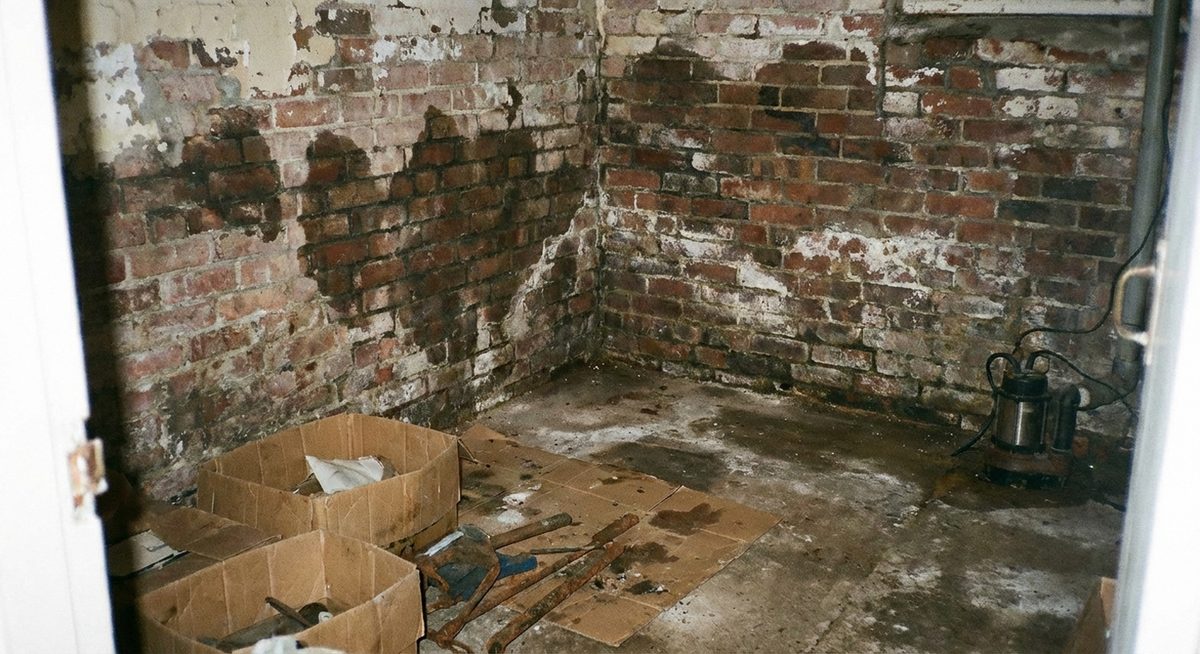
Dark patches, discolouration, or efflorescence (white salt deposits) on walls and floors indicate moisture migrating through the masonry. This is hydrostatic pressure pushing groundwater through your foundation.
3. Musty or Mouldy Smell
A persistent musty odour in your basement or ground floor is a telltale sign of excess moisture. This smell comes from mould and mildew growth, which begins when relative humidity exceeds 60%. Mould spores can circulate throughout your home, causing respiratory problems.
4. Visible Mould Growth
Black, green, or white mould patches on walls, ceilings, or stored items confirm that moisture levels are too high. Mould can begin growing within 24-48 hours of water exposure and spreads rapidly in damp conditions.
5. Peeling Paint or Wallpaper
When moisture pushes through walls from the outside, it disrupts the bond between paint/wallpaper and the wall surface. Bubbling, flaking, or peeling decorations on basement walls are a clear moisture indicator.
6. Cracks in Foundation Walls
While some cracks are caused by normal settling, horizontal cracks or stair-step cracks in blockwork can indicate hydrostatic pressure from groundwater pushing against your foundation. This is serious and requires prompt attention.
7. Warped or Buckled Flooring
Wooden floors, laminate, or engineered flooring that cups, warps, or lifts at the edges is absorbing moisture from below. This indicates that water is present beneath the floor surface.
8. Rust on Appliances or Metal Items
If metal items stored in your basement — tools, appliance legs, shelving brackets — show unexpected rust, the humidity level is too high. This corrosive moisture will eventually affect electrical systems and structural metalwork.
9. Insects and Pests
Many pests are attracted to damp environments. An increase in woodlice, silverfish, centipedes, or other moisture-loving insects in your basement suggests excessive dampness.
10. Water Marks or Tide Lines
Horizontal lines or marks on basement walls show historical water levels. These indicate that water has previously risen to that height and will likely do so again.
11. Sump Pit Without a Pump
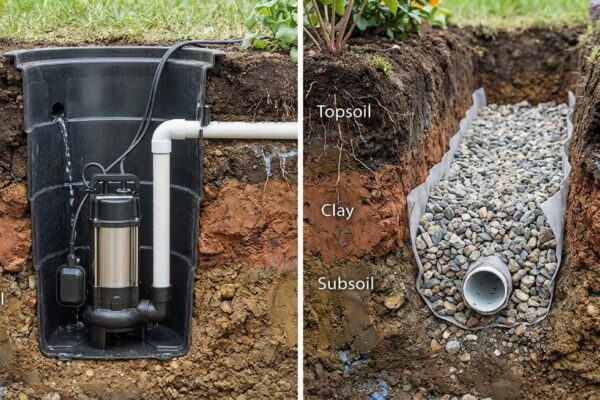
Some older properties have a sump pit but no pump — the builder anticipated the need but didn’t complete the system. If your property has an empty sump pit, it almost certainly needs a pump. Read our complete guide to sumps for more information.
12. Neighbour’s Flooding Issues
If properties near you experience basement flooding, yours is likely at risk too. Groundwater doesn’t respect property boundaries, and similar construction methods mean similar vulnerabilities.
Seasonal and Environmental Risk Factors
High Water Table
Parts of Suffolk and East Anglia have naturally high water tables, particularly near rivers and in low-lying areas. If your property is in such an area, a sump pump should be considered essential infrastructure rather than an optional extra.
Clay Soil
Clay soils, common across Suffolk, are particularly problematic because they hold water rather than allowing it to drain. After heavy rain, clay soils become saturated and push water against foundations for extended periods.
Seasonal Flooding Patterns
If your basement is dry in summer but damp in winter, this seasonal pattern indicates a fluctuating water table. A sump pump provides year-round protection against these seasonal changes.
Nearby Construction Work
Building work, road construction, or utility installation near your property can alter natural drainage patterns, redirecting water towards your foundation.
Climate Change Impact
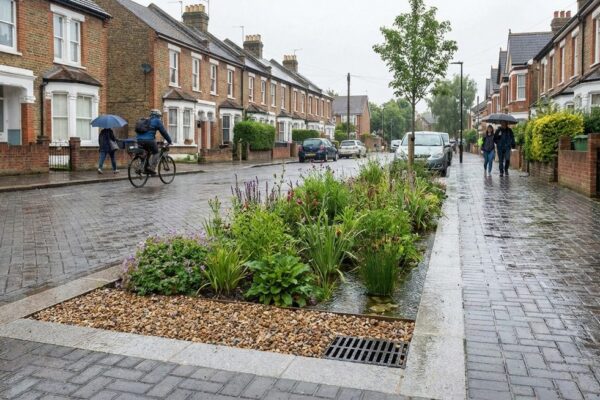
The UK is experiencing increasingly intense rainfall events. Properties that have never flooded before are now at risk due to changing weather patterns. Proactive installation of a sump pump is a sensible precaution. Consider how sustainable drainage systems can complement your sump pump.
What Happens If You Ignore These Signs?
Delaying action leads to escalating problems and costs:
- Structural damage: Persistent moisture weakens foundations, causes concrete degradation, and corrodes reinforcement steel
- Health problems: Mould exposure causes respiratory issues, allergies, and can aggravate asthma
- Property devaluation: A history of damp or flooding can reduce property value by 10-20%
- Insurance difficulties: Repeated claims or known water problems can make insurance expensive or unavailable
- Escalating repair costs: What starts as a £2,000 pump installation can become a £20,000+ repair job if structural damage occurs
What to Do If You Spot These Signs
- Document everything — Take photos and note dates, especially after rainfall
- Check your insurance — Review your policy for flood and water damage coverage
- Get a professional survey — A qualified waterproofing surveyor can assess the severity and recommend solutions
- Don’t panic-buy — Avoid purchasing pumps from DIY shops without professional advice — the wrong pump or incorrect installation wastes money
- Act promptly but thoughtfully — Get multiple quotes from reputable companies
Prevention is Better Than Cure
Even if you haven’t spotted these signs yet, consider a preventive sump pump installation if:
- You’re converting a cellar into living space
- You’re buying a property with a basement in a flood-risk area
- Your property is in a low-lying area or near water
- You’re planning significant basement renovations
The cost of sump pump installation is a fraction of potential flood damage costs.
Frequently Asked Questions
How urgently do I need a sump pump if I see these signs?
If you have standing water, act immediately — call a professional for emergency assessment. For dampness and moisture signs, schedule a survey within the next few weeks. The situation will only worsen with time.
Can a dehumidifier solve the problem instead of a sump pump?
A dehumidifier treats symptoms, not causes. It can reduce humidity temporarily, but it won’t stop water entering your property. A sump pump addresses the root cause by actively removing water.
My basement has always been a bit damp — is that normal?
No. While many UK basements have some moisture, persistent dampness is not normal or acceptable. It indicates a waterproofing deficiency that can be resolved with proper drainage and a sump pump system.
Will a sump pump solve all my damp problems?
A sump pump is part of a comprehensive waterproofing strategy. Depending on your situation, you may also need perimeter drainage, cavity drain membranes, French drains, or external waterproofing. A professional survey will identify the right combination.
How quickly can a sump pump be installed?
A basic installation takes 1-2 days. Emergency installations can often be completed within 24-48 hours. Full basement waterproofing systems take 3-5 days.
Should I tell my insurer if I spot these signs?
If you’ve experienced actual flooding, yes — you should report it. For dampness and moisture signs, consult your policy. Some policies require you to take reasonable steps to prevent damage, which may include installing a sump pump.
Are older properties more at risk?
Generally, yes. Older properties often lack modern waterproofing, have deteriorated damp-proof courses, and may have been built without adequate drainage. Victorian and Edwardian cellars are particularly common candidates for sump pump installation in Ipswich.
Can rising damp be solved with a sump pump?
Rising damp (moisture wicking upward through walls) and groundwater ingress are different problems. A sump pump manages groundwater. Rising damp typically requires a chemical damp-proof course. However, reducing groundwater levels with a sump pump often reduces rising damp as well.
Get a Professional Assessment
If you’ve noticed any of these warning signs, don’t wait for the problem to get worse. Our experienced surveyors at Sump Plus provide free, no-obligation assessments for properties across Ipswich, Suffolk, and East Anglia.