
Why Cross-Sector Collaboration Matters for Water Management
Water management is too complex for any single organisation to handle alone. Effective flood prevention, drainage, and sustainable water use require cooperation between water companies, local authorities, developers, environmental agencies, and property owners. This cross-sector approach delivers better outcomes than isolated efforts.
In Ipswich, Suffolk, and across East Anglia, this collaborative approach is particularly important. Our region faces unique challenges — low-lying terrain, clay soils, coastal flood risk, and a growing population that increases impermeable surfaces. At Sump Plus, we work within this collaborative framework to deliver effective drainage solutions.
The Key Players in UK Water Management
Environment Agency
The EA is responsible for managing flood risk from main rivers and the sea. They maintain flood defences, issue flood warnings, and regulate water abstraction and discharge.
Lead Local Flood Authorities (LLFAs)
Suffolk County Council, as the LLFA, manages local flood risk from surface water, groundwater, and ordinary watercourses. They review drainage plans for major developments and maintain the local flood risk management strategy.
Water Companies
Anglian Water manages public sewers and water supply in Suffolk. They’re responsible for the capacity and maintenance of the sewer network and for reducing sewer flooding incidents.
Local Planning Authorities
Ipswich Borough Council and East Suffolk Council make planning decisions that directly affect drainage. They can require SuDS, restrict development in flood zones, and set conditions for surface water management.
Internal Drainage Boards (IDBs)
In low-lying areas of Suffolk, IDBs manage water levels in drainage districts. The East Suffolk IDB plays a crucial role in land drainage and flood risk management.
Developers and Builders
The construction industry determines how water is managed on new developments. Their choices — from site layout to material selection — have lasting impacts on drainage performance.
Property Owners and Communities
Individual property owners are responsible for drainage on their land. Community flood groups and parish councils also play an important role in local flood resilience.
Drainage Contractors and Specialists
Companies like Sump Plus provide the technical expertise and practical installation skills that bring drainage plans to life. We bridge the gap between policy and implementation.
How Cross-Sector Collaboration Works in Practice
Flood Risk Management Plans
The Environment Agency leads multi-agency partnerships to develop Flood Risk Management Plans. These bring together all stakeholders to agree priorities, allocate resources, and coordinate action.
Surface Water Management Plans
LLFAs develop these plans in partnership with water companies, the EA, and local authorities. They identify areas at risk of surface water flooding and set out coordinated actions to reduce that risk.
Planning and Development Control
When a major development is proposed, the developer, local planning authority, LLFA, water company, and Environment Agency all have input into the drainage strategy. This ensures that new development doesn’t increase flood risk elsewhere.
Community Engagement
Effective water management requires community buy-in. Stakeholder engagement ensures that local knowledge is captured, concerns are addressed, and solutions are supported by those they affect.
Case Study: Ipswich Flood Risk Management
Ipswich has a long history of flood risk, with the River Orwell and its tributaries posing a threat to low-lying areas. The Ipswich Flood Defence Scheme, completed in partnership between the Environment Agency, Ipswich Borough Council, and other stakeholders, demonstrates effective cross-sector collaboration:
- £67 million investment in flood defences
- Protection for over 1,600 properties
- Coordinated approach between multiple agencies
- Community consultation throughout the process
- Integration of environmental improvements with flood defence
This kind of large-scale collaboration sets the framework within which property-level measures — like sump pump systems — provide the final line of defence.
Benefits of the Collaborative Approach
Better Outcomes
When agencies work together, solutions are more comprehensive. A sewer upgrade by the water company, combined with SuDS requirements by the planning authority and property-level protection, provides layered defence against flooding.
Efficient Resource Use
Shared data, joint projects, and coordinated investment avoid duplication and ensure that money is spent where it will have the greatest impact.
Innovation
Cross-sector partnerships drive innovation. The zero carbon transition in water management has been accelerated by collaboration between water companies, technology providers, and research institutions.
Resilience
Multiple layers of protection — from strategic flood defences to individual property measures — create a resilient system that can cope with events that overwhelm any single measure.
Challenges to Effective Collaboration
- Fragmented responsibilities: Different aspects of water management fall under different bodies, creating gaps and overlaps
- Funding constraints: Each organisation has its own budget pressures, making joint investment difficult to coordinate
- Differing priorities: A water company’s priorities may differ from those of the planning authority or environmental groups
- Data sharing: Organisations often hold valuable data that isn’t easily shared due to technical or contractual barriers
- Long timescales: Water infrastructure has a 50-100 year lifespan, but political and funding cycles are much shorter
The Role of Property Owners
As a property owner, you’re an important part of the water management ecosystem. Your actions make a difference:
Maintain Your Drainage
Keep gutters clear, maintain your sump pump, and ensure your property’s drainage system works properly.
Implement SuDS
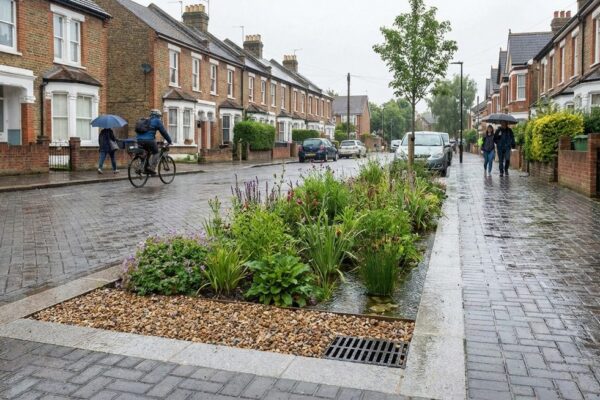
Sustainable drainage measures on your property — rain gardens, permeable paving, water butts — reduce the load on public drainage infrastructure.
Report Problems
Report blocked drains, flooding, or pollution to the appropriate authority. Early reporting helps prevent escalation.
Engage With Consultations
When local flood risk plans or development proposals are consulted on, provide your input. Local knowledge is invaluable in shaping effective solutions.
Invest in Property Protection
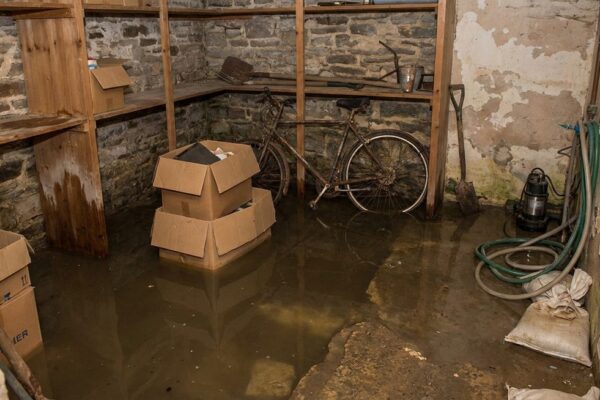
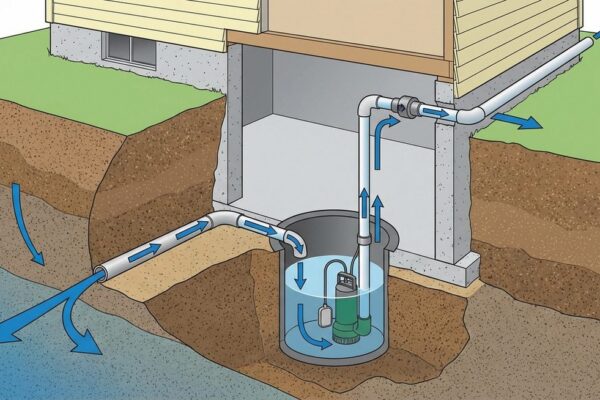
Property-level flood resilience — including basement flood prevention and sump pump systems — protects your property and reduces the burden on emergency services during flood events.
Frequently Asked Questions
Who is responsible for drainage on my property?
You are responsible for drainage within your property boundary, including private drains and any sump pump systems. Public sewers (outside your boundary) are the responsibility of the water company.
Who do I contact about flooding from a river?
The Environment Agency manages main river flood risk. Report flooding or request flood warnings through the EA’s floodline: 0345 988 1188.
Who manages surface water flooding?
Suffolk County Council is the Lead Local Flood Authority responsible for managing surface water flood risk. Contact them to report surface water flooding issues.
Can I discharge my sump pump into the public sewer?
You generally need permission from Anglian Water to discharge into the public sewer. Surface water and groundwater should ideally discharge to a storm drain, watercourse, or soakaway rather than the foul sewer.
How do I find out my flood risk?
Check the Government’s free flood risk service online. For property-specific assessments, contact a drainage professional like Sump Plus for a detailed survey.
What is the role of parish councils in flood management?
Parish councils often coordinate community flood groups, maintain local knowledge of drainage issues, and liaise with county and district councils on behalf of residents.
How can I get involved in local flood risk management?
Join your local flood action group (if one exists), attend parish council meetings, respond to consultations on local plans, and report drainage issues promptly.
Do developers have to consider existing drainage when building?
Yes. Planning conditions typically require that new development doesn’t increase flood risk to existing properties. The LLFA reviews drainage strategies for major developments and can object to inadequate proposals.
Working Together for Better Drainage
At Sump Plus, we understand that effective water management is a team effort. We work with homeowners, developers, local authorities, and other stakeholders to deliver drainage solutions that protect properties and contribute to the wider goal of reducing flood risk.