Understanding Basement Waterproofing Methods
A dry basement is a valuable asset. Whether you’re converting a cellar into living space, protecting stored goods from damp, or dealing with active water ingress, professional basement waterproofing provides lasting solutions tailored to your property’s specific needs.
Suffolk’s variable geology — from heavy clay soils to sandy substrates — means that basement waterproofing requires local knowledge and experience. Qualified engineers understand these conditions and use proven systems that have stood the test of time in properties throughout the county.
Understanding Basement Water Problems
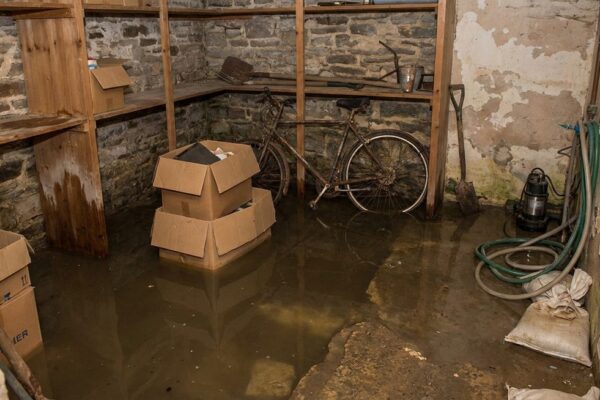
Water enters basements and cellars through several routes. Understanding the source is critical to selecting the right waterproofing approach:
- Hydrostatic pressure — Groundwater pressing against basement walls and floors, particularly during wet seasons or in areas with high water tables.
- Lateral water penetration — Rainwater soaking through the soil and entering through wall joints, cracks, or porous masonry.
- Rising damp — Moisture wicking upward through the floor slab or lower walls by capillary action.
- Condensation — Warm, moist air meeting cold basement surfaces, often mistaken for water ingress.
- Defective drainage — Failed or inadequate external drainage allowing water to accumulate against basement walls.
Each of these issues requires a different treatment approach. A thorough site survey will accurately identify the cause of water problems, ensuring the most effective and cost-efficient solution is recommended.
Common Waterproofing Systems
Cavity Drain Membrane Systems (Type C)
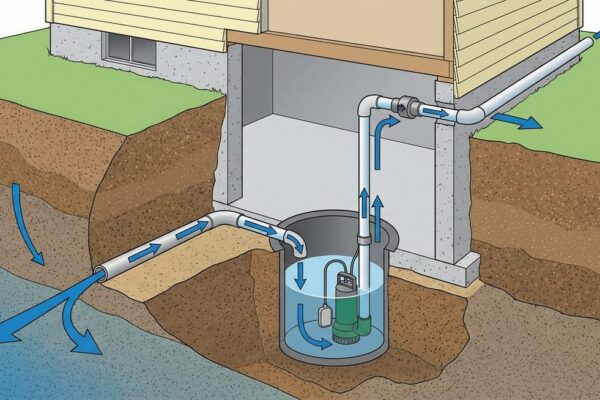
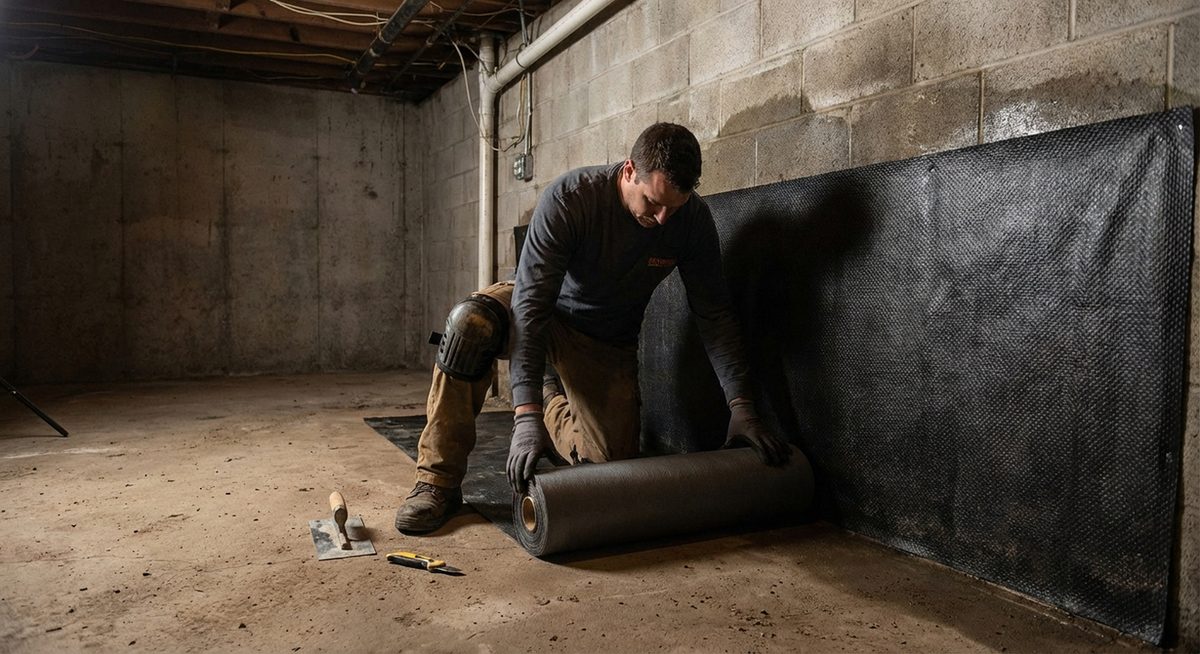
Cavity drain membranes are the most versatile and reliable method of basement waterproofing. A dimpled high-density polyethylene membrane is fixed to the walls and floor, creating an air gap that manages any water that penetrates the structure. Water is channelled to a sump pump which removes it from the building.
This system is suitable for virtually any basement, regardless of construction type or water pressure. It’s particularly effective in Suffolk where fluctuating water tables make it impractical to keep water out entirely.
Cementitious Waterproofing (Type A — Barrier Protection)
Cementitious coatings and renders are applied directly to basement walls and floors to create a waterproof barrier. These tanking slurries bond with the masonry to form an impermeable layer that resists water under pressure.
This approach works best on solid masonry walls with moderate water pressure. It’s often used in conjunction with cavity drainage for belt-and-braces protection.
Structural Waterproofing (Type B)
Type B waterproofing relies on the structure itself being waterproof. This is typically achieved through the use of waterproof concrete in new-build situations. For existing properties, we can apply structural waterproofing treatments to improve the water resistance of concrete elements.
External Waterproofing
Where access permits, applying waterproof membranes or coatings to the external face of basement walls provides the most direct defence against water ingress. This approach is often combined with improved external drainage, including French drains, to direct water away from the structure.
The Waterproofing Process
Our systematic approach ensures your basement waterproofing project is completed to the highest standards:
- Comprehensive survey — Assessing the basement construction, identifying water sources, measuring damp levels, and evaluating the structural condition.
- Design specification — A detailed waterproofing design is produced, specifying materials, methods, and drainage requirements.
- Preparation — Walls and floors are prepared, removing loose material and ensuring sound substrates for membrane or coating application.
- System installation — Trained technicians install the specified waterproofing system following manufacturer guidelines and British Standards.
- Sump pump installation — Where cavity drainage is used, an appropriate sump pump system is installed to manage collected water.
- Finishing — Walls and floors are finished ready for your chosen final decoration or floor covering.
- Certification — Full documentation and warranty certification should be provided for the completed works.
Basement Conversion Waterproofing
Converting a basement or cellar into usable living space is an excellent way to add value to your property. However, the space must be properly waterproofed to meet building regulations and provide a comfortable, healthy environment.
A good waterproofing specialist will work closely with architects, builders, and building control officers to ensure the conversion meets all requirements. Modern waterproofing systems are compatible with insulation, underfloor heating, and standard finishing materials.
What to Look for in a Waterproofing Specialist
- Specialist expertise — Look for specialists where basement waterproofing is their core focus, not a sideline.
- properly insured — Complete insurance coverage for all works undertaken.
- BS 8102 compliant — All our designs follow the British Standard Code of Practice for Protection of Below Ground Structures Against Water.
- Manufacturer-trained — Ensure technicians are trained and approved by leading waterproofing product manufacturers.
- Guaranteed systems — Reputable firms provide comprehensive guarantees on their waterproofing installations.
- Local knowledge — Ensure they have deep understanding of local soil conditions and groundwater patterns.
Related Services
- Sump Pump Installation — Essential companion to cavity drain waterproofing systems.
- Sump Pump Repair & Maintenance — Keep your basement pump system running reliably.
- Drainage Solutions — Improve external drainage to reduce water pressure on your basement.
- French Drain Installation — Subsurface drainage to intercept groundwater before it reaches your basement.
- Emergency Drainage Services — round-the-clock response if your basement floods.
For more information about water management principles, see our guide to sump pumps and drainage.
Frequently Asked Questions
How much does basement waterproofing cost?
Costs vary significantly depending on the basement size, the waterproofing system required, and the extent of preparation work needed. As a guide, a cavity drain system for a typical domestic cellar ranges from £3,000 to £8,000. Reputable waterproofing firms provide detailed, transparent quotations after a thorough site survey.
Which waterproofing method is best for my basement?
The best method depends on your basement’s construction, the source and severity of water ingress, and how you intend to use the space. Cavity drain membranes are the most versatile option, but we may recommend cementitious coatings or a combination approach. A professional survey will determine the optimal solution for your specific situation.
How long does basement waterproofing take?
A standard domestic basement waterproofing project typically takes three to seven working days, depending on the size of the area and the system being installed. We’ll provide a clear programme of works during the quotation stage.
Will basement waterproofing stop all damp?
A properly specified and installed waterproofing system will prevent water ingress from reaching the internal surfaces of your basement. However, condensation must be managed separately through adequate ventilation and, where necessary, dehumidification. We address all moisture sources in our design.
Do I need a sump pump with basement waterproofing?
If a cavity drain membrane system is installed, a sump pump is essential to remove the water that the membrane collects and channels to the sump pit. Cementitious barrier systems may not require a pump, but we often recommend one as a safety measure.
Is basement waterproofing guaranteed?
Yes, all our waterproofing installations come with a comprehensive guarantee covering both the products and our workmanship. The guarantee period depends on the system installed and typically ranges from ten to twenty years.
Can I waterproof my basement myself?
Whilst DIY waterproofing products exist, basement waterproofing is a specialist trade that requires proper training, experience, and materials. Incorrectly applied systems can trap moisture, cause structural damage, and create health hazards. We strongly recommend professional installation.
Will waterproofing add value to my property?
Absolutely. A dry, usable basement significantly increases property value. A full basement conversion with proper waterproofing can add 20-30% to your home’s value, making it one of the most cost-effective home improvements available.
Do I need building regulations approval for basement waterproofing?
Simple waterproofing of an existing basement typically doesn’t require building regulations approval. However, if you’re converting the space into habitable accommodation, building regulations will apply. We can guide you through the requirements and work with your building control officer.
What happens if my waterproofing system fails?
Properly installed cavity drain systems are extremely reliable because they manage water rather than trying to block it entirely. In the unlikely event of an issue, our guarantee covers remedial work. Regular maintenance of the sump pump component ensures long-term reliability.
Arrange Your Free Basement Waterproofing Survey
The first step towards a dry, usable basement is a thorough site survey to assess the basement’s condition and determine the most effective waterproofing solution for your specific situation.