Understanding Sump Pump Installation: A Complete Guide
Protecting your property from water damage starts with a reliable sump pump system. Whether you’re dealing with a damp basement, rising groundwater, or want to safeguard your home against future flooding, a professionally installed sump pump delivers the protection you need to keep your property dry all year round.
Suffolk properties face unique water management challenges. From the clay-heavy soils of central Ipswich to the low-lying areas near the River Orwell, understanding local conditions is essential for choosing the right sump pump system.
Why You Need a Sump Pump
A sump pump is your first line of defence against water ingress. It collects water that accumulates beneath your property and pumps it safely away, preventing damage to your foundations, walls, and belongings. In Suffolk, where heavy rainfall and high water tables are common, a properly installed sump pump is not a luxury — it’s a necessity.
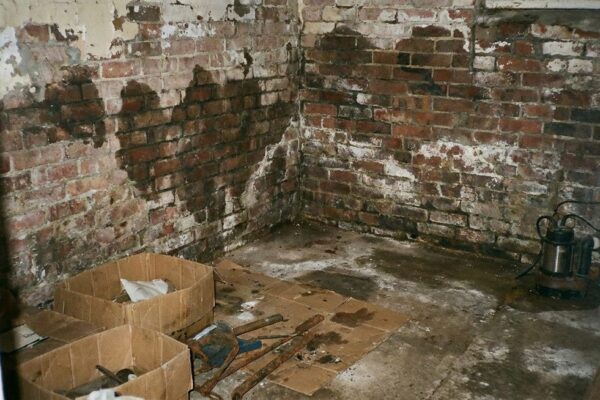
Without adequate drainage, water can cause structural damage, encourage mould growth, and significantly reduce your property’s value. A professionally installed sump pump provides peace of mind, knowing that your home or business is protected even during the heaviest storms.
Types of Sump Pumps Available
Submersible Sump Pumps
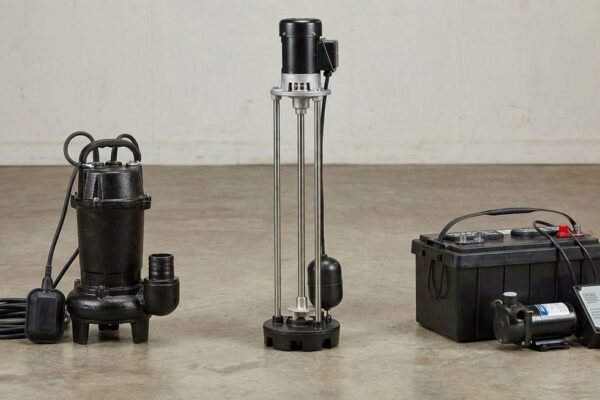
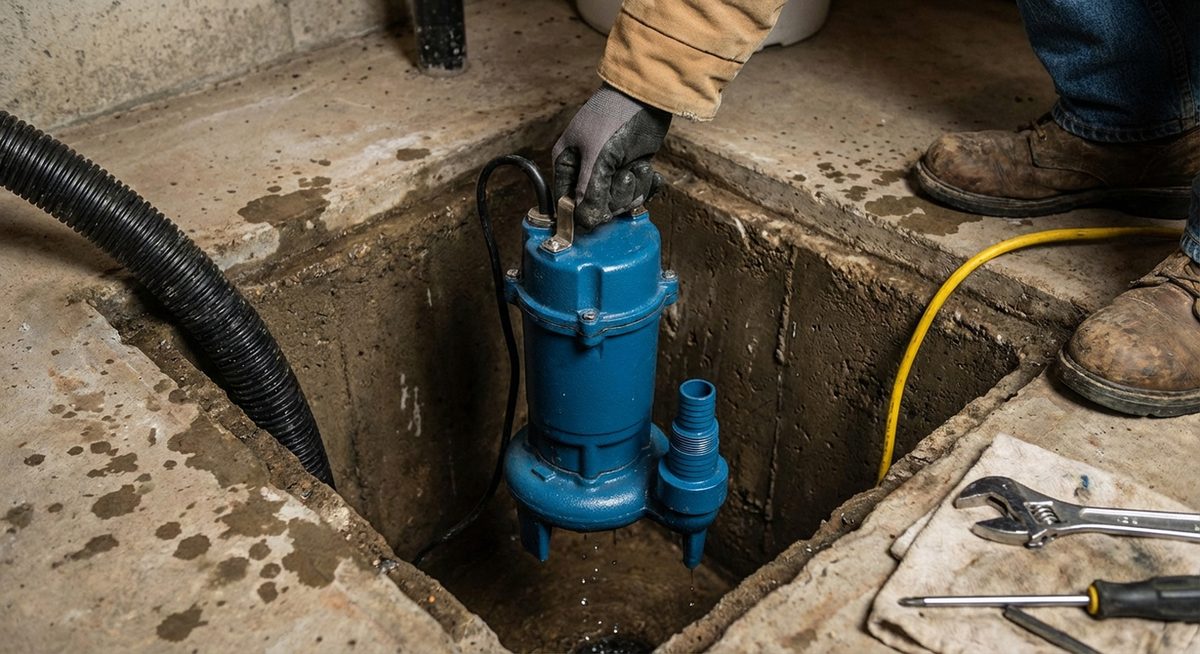
Submersible pumps sit inside the sump pit, fully submerged in water. They are quieter, more powerful, and ideal for properties with significant water ingress. These units are sealed to prevent electrical short circuits and can handle solids and debris effectively.
Pedestal Sump Pumps
Pedestal pumps have their motor mounted above the sump pit, making them easier to service and maintain. They’re an excellent choice for smaller sump pits and properties with moderate water issues. While slightly noisier than submersible models, they offer exceptional longevity.
Battery Backup Sump Pumps
Power cuts during storms are common in Suffolk. A battery backup sump pump ensures your system continues operating even when the mains electricity fails. We strongly recommend this addition for any installation, particularly in flood-prone areas.
Combination Systems
For maximum protection, combination systems pair a primary submersible pump with a battery backup unit. This dual-layer approach ensures your property remains protected under virtually any circumstances.
The Installation Process
Every sump pump installation should begin with a thorough assessment of your property. Here’s what the process typically involves:
- Tailored system design — The installer specifies the right pump type, capacity, and drainage configuration for your specific needs.
- Professional excavation — The sump pit is carefully excavated to the correct depth and dimensions, minimising disruption to your property.
- Pump and pipework installation — The pump unit, discharge pipework, and non-return valves are installed to industry standards.
- Drainage connection — The system is connected to an appropriate discharge point, whether that’s a soakaway, storm drain, or watercourse.
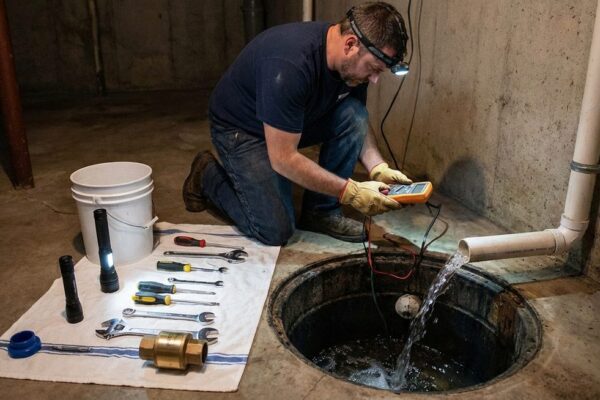
- Testing and commissioning — The entire system is thoroughly tested to ensure it activates correctly and pumps at the required rate.
- Client handover — Your installer should walk you through the system, explain maintenance requirements, and provide full documentation.
What to Look for in a Sump Pump Installer
Choosing the right installer is just as important as choosing the right pump. Here’s what to look for in a qualified professional:
- properly insured — Complete public liability and professional indemnity insurance for your peace of mind.
- Local expertise — They should understand local geology, drainage infrastructure, and building regulations.
- Quality products — They should use pumps from leading manufacturers with proven track records.
- Guaranteed workmanship — All installations should come with a comprehensive workmanship guarantee.
- round-the-clock emergency support — Check whether they offer emergency support available around the clock.
Sump Pump Installation Costs
The cost of a sump pump installation depends on several factors, including the type of pump, the complexity of the excavation, and the discharge arrangements. As a general guide:
- Basic pedestal pump installation — From approximately £800 to £1,500
- Submersible pump installation — From approximately £1,200 to £2,500
- Combination system with battery backup — From approximately £2,000 to £3,500
Every property is different, so costs vary. A reputable installer will provide a detailed quotation after a thorough site survey. Always ask for an itemised breakdown and check for hidden costs.
Related Services
Sump pump installation often works best as part of a comprehensive water management strategy. Consider these complementary services:
- Sump Pump Repair & Maintenance — Keep your system running at peak performance with regular servicing.
- Basement Waterproofing — Combine your sump pump with tanking or cavity drainage for complete protection.
- French Drain Installation — Channel surface and subsurface water towards your sump pump efficiently.
- Drainage Solutions — Address wider drainage issues around your property.
For more background on how sump pumps work, visit our guide to understanding sump pumps.
Frequently Asked Questions
How long does a sump pump installation take?
Most standard sump pump installations are completed within one day. More complex projects involving multiple pumps or extensive drainage work may take two to three days. A clear timeline is typically provided during the initial site survey.
What size sump pump do I need?
The correct pump size depends on your property’s water ingress rate, the depth of the sump pit, and the discharge distance. Qualified engineers calculate these factors during a site survey to specify the ideal pump capacity for your situation.
Do I need planning permission for a sump pump?
In most cases, sump pump installation falls under permitted development and does not require planning permission. However, if your property is listed or in a conservation area, additional approvals may be needed. A qualified installer can advise on this during a consultation.
How much does a sump pump cost to run?
A typical domestic sump pump costs between £30 and £80 per year in electricity, depending on how frequently it activates. Modern energy-efficient models keep running costs to a minimum whilst providing reliable protection.
Can a sump pump be installed in an existing property?
Absolutely. The majority of our installations are retrofit projects in existing homes and commercial buildings. Qualified professionals is experienced in working within occupied properties with minimal disruption.
What happens if the power goes out?
Without a backup system, your sump pump will stop operating during a power cut. This is why we strongly recommend installing a battery backup pump alongside your primary unit, ensuring continuous protection even during storms that knock out the electricity supply.
How often should a sump pump be serviced?
We recommend annual servicing to ensure your pump remains in optimal condition. Our maintenance plans include comprehensive checks of the pump, float switch, discharge pipework, and backup systems.
What warranty do you offer on installations?
All our installations include a comprehensive workmanship guarantee, and the pump units themselves carry the manufacturer’s warranty, which typically ranges from two to five years depending on the model selected.
Where does the pumped water go?
The water is discharged to an appropriate location such as a garden soakaway, surface water drain, or nearby watercourse. We assess the best discharge point during the site survey, ensuring compliance with local drainage regulations.
Can you install a sump pump in a crawl space?
Yes, we regularly install sump pumps in crawl spaces, cellars, and other confined areas. Qualified professionals has the specialist equipment and expertise to work safely in restricted spaces whilst delivering a high-quality installation.
fill in our contact form to arrange ythe initial site survey.